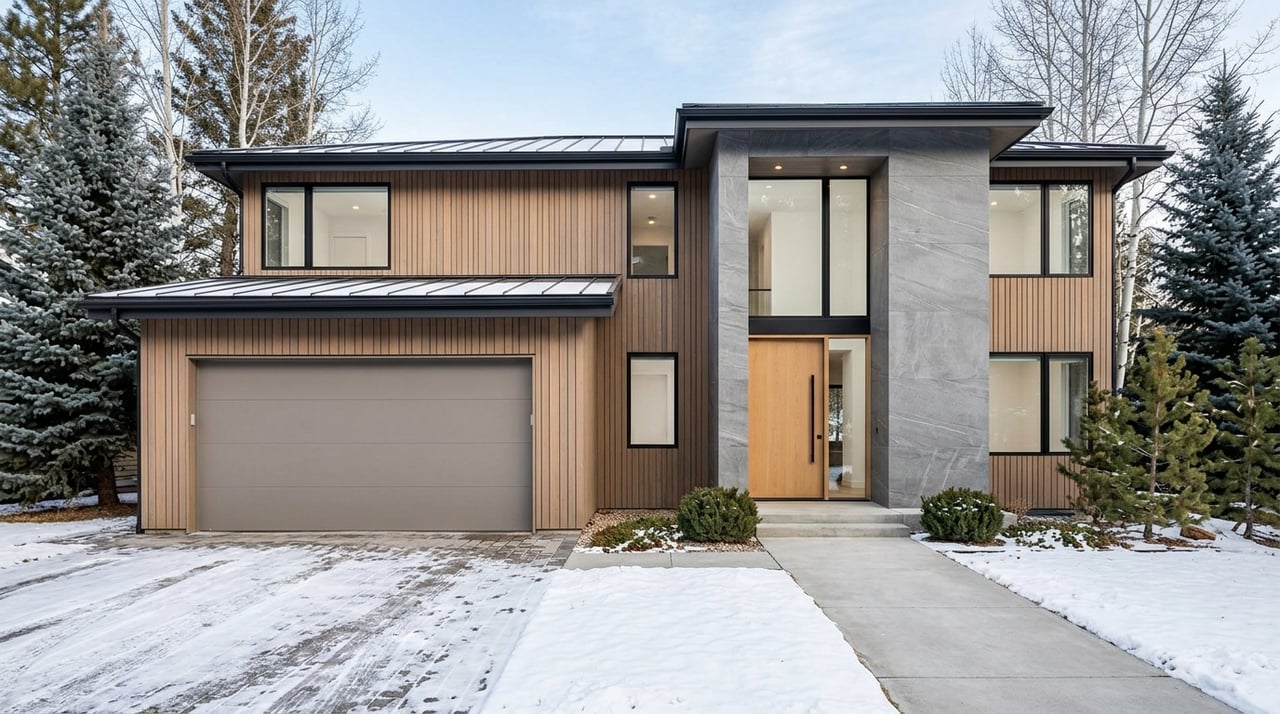
Buying a ski home in Aspen can feel simple when you picture powder days and mountain views, but the path from contract to keys has a lot of moving parts. If you are under contract on an Aspen property, small details in title, access, HOA documents, and local taxes can affect both your timeline and your final cash to close. This guide walks you through what to expect in Aspen so you can move forward with more clarity and confidence. Let’s dive in.
Colorado Closing Basics
In Colorado, the home-buying process typically starts with a signed contract and earnest money. The contract is legally binding and includes multiple deadlines, so each review period matters. Earnest money is generally held by a title company.
From there, the title company searches county records for liens and other title issues and issues a title commitment. At closing, you sign the loan and real estate documents, funding is verified, and the transaction moves toward recording. Once everything is complete, you receive the keys.
What Happens After You Go Under Contract
After contract acceptance, your due diligence period becomes especially important. Colorado’s contract gives you time to review the title commitment, title documents, and certain off-record matters before closing. This is where questions often surface that can affect your decision or your closing costs.
Those documents may include plats, declarations, covenants, surveys, easements, and HOA-related materials. Standard exceptions can also involve survey matters, unrecorded easements, mechanics’ liens, gap-period issues, and unpaid taxes. In a resort market like Aspen, these details deserve close attention.
Why Aspen Ski Homes Need Extra Review
Aspen ski homes often involve more than a standard lot-line review. Title work in Colorado can reveal easements, rights-of-way, CCRs, HOA matters, mineral rights, and water rights. For ski-oriented properties, access features can be especially important.
A shared drive, plowed access lane, retaining wall, or snowmelt system may not show up as a simple feature list item. Instead, it may appear in title work as an easement, permit condition, encroachment issue, or title exception. That can affect how the property is used, maintained, or insured.
Aspen’s local right-of-way and encroachment rules add another layer. Private infrastructure in the public right-of-way, including some snowmelt installations, hardscape, and retaining walls, may require permits or permanent encroachment licenses. Property owners can also be responsible for maintenance or damage related to items placed in the city’s right-of-way.
Ski Access Can Be a Title Issue
In Aspen, ski access is not always just a convenience feature. In some cases, it can be tied to easements, corridor arrangements, or other recorded rights. That means your ability to access a ski corridor or return route may be part of the legal review, not just the marketing description.
The Lift One Corridor materials are a useful local example of how ski access can be documented through corridor and easement arrangements. For you as a buyer, the takeaway is simple: if ski-in or ski-out style access matters to your purchase, confirm how that access is documented during title review.
Four Things to Check Early
If you want fewer surprises near closing, focus on four items as early as possible:
- Whether the property is inside Aspen city limits for local transfer-tax purposes
- Whether the title commitment or survey shows recorded or off-record easements
- Whether there is shared-drive access or a right-of-way encroachment issue
- Whether the HOA packet lists status-letter, transfer, record-change, or reserve-related fees
These are some of the issues most likely to change your final cash-to-close number in an Aspen ski-home purchase.
HOA Documents Matter in Resort Areas
If the property is part of an HOA, your review should go beyond monthly dues. Under the Colorado contract, buyers are entitled to association documents listed in Section 7 of the contract. These documents can include governing documents, meeting minutes, insurance information, financial statements, reserve studies, assessment schedules, and fees charged at closing.
This matters because resort-area HOAs may have rules that affect how you use or modify the property. DORA also notes that most HOAs have restrictive covenants that can limit changes to a home. That makes it important to review both the association’s rules and its financial condition before your deadline expires.
HOA Fees at Closing
Some HOA-related costs do not appear until you are deep into the transaction. The Colorado contract directs the seller to request a current status letter at least 14 days before closing. The status-letter fee is assigned to the seller, while record-change fees and reserve-related amounts may be allocated by contract.
Colorado law also requires associations to maintain a list of current unique and extraordinary fees connected to the purchase or sale of a unit. These can include transfer fees, record-change fees, and charges for a status letter or statement of assessments due. Knowing about these items early helps you avoid last-minute surprises.
It is also worth knowing that not every transfer-related charge is the same. Colorado law generally treats prospective private residential transfer-fee covenants as unenforceable, while allowing certain governmental taxes and some association-related fees. So if you see a transfer-related line item, it is important to understand whether it is a tax, a recording charge, or an HOA obligation.
Aspen Transfer Taxes to Budget For
If the property is within Aspen city limits, local transfer taxes can have a major impact on your closing numbers. The City of Aspen levies a 0.5% real estate transfer tax for arts-related purposes and a separate 1.0% housing-related transfer tax. The purchaser is responsible for these transfer taxes.
The city also states that transfer-tax paperwork is due at the time of transfer and before the deed is recorded. In addition, the 1.0% housing-related transfer tax excludes the first $100,000 of consideration. If the home is outside Aspen city limits, these city taxes may not apply, so confirming the property’s location early is important.
Recording Fees and State Documentary Fees
Local transfer taxes are not the same as recording costs. Pitkin County handles the recording of deeds, deeds of trust, plats, mechanic’s liens, and other real-property records. Starting July 1, 2025, statewide recording fees are $43 per document.
Pitkin County also notes that documents transferring title for consideration above $500 are subject to the state documentary fee of $0.10 per $1,000. The deed and transfer declaration must also include the correct consideration information and the grantee’s mailing address. These may seem like small details, but accuracy helps keep recording on track.
How Title and Escrow Help Get You to Keys
The closing company’s role is to help move the file from signed contract to recorded ownership. After a satisfactory title search, the closing company provides the title commitment, records the required documents, and disburses funds according to the contract. That coordination is what turns a stack of documents into a completed closing.
For buyers, this process works best when questions are addressed early and communication stays clear. In a market like Aspen, that means confirming access issues, reviewing title exceptions, understanding HOA charges, and separating taxes from other closing costs before the final settlement figures arrive.
A Smart Aspen Closing Strategy
If you are buying a ski home in Aspen, think of the closing process as more than a final appointment. It is a sequence of reviews and decisions that starts as soon as the contract is signed. The more clearly you understand title, access, HOA obligations, and local taxes, the easier it is to plan your cash to close and avoid delays.
A dependable title and escrow team can help you stay organized through each step. If you want a smoother path from contract to keys, connect with First Alliance Title for secure, professional title and escrow support.
FAQs
What happens after a home goes under contract in Aspen?
- In Colorado, the process usually moves from signed contract and earnest money to title review, document review, closing, funding, recording, and then delivery of keys.
What title issues should buyers review for an Aspen ski home?
- You should review the title commitment, survey, easements, rights-of-way, covenants, off-record matters, and any issues involving shared access, retaining walls, or snowmelt systems.
What HOA documents should buyers request for an Aspen property?
- Buyers should review governing documents, minutes, insurance information, financial documents, reserve studies, assessment schedules, and any fees that may apply at closing.
What transfer taxes apply when buying property in Aspen city limits?
- The City of Aspen states that buyers are responsible for a 0.5% real estate transfer tax and a 1.0% housing-related transfer tax, with the 1.0% tax excluding the first $100,000 of consideration.
Are Aspen transfer taxes the same as recording fees?
- No. Aspen transfer taxes are separate from recording fees and separate from the state documentary fee charged on certain title transfers.
Why does ski access matter during Aspen title review?
- Ski access may depend on easements, corridor arrangements, or other recorded rights, so it should be confirmed through title and closing diligence rather than assumed from marketing language alone.