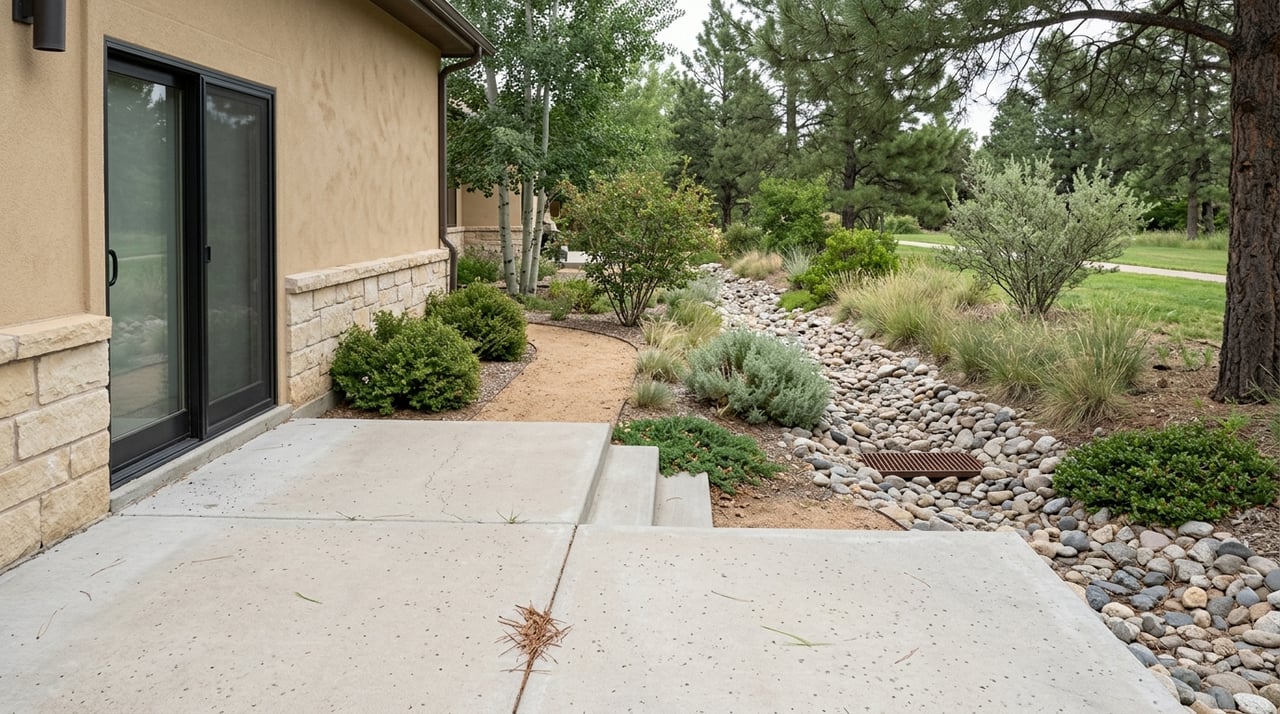
If you are buying a home near Boulder’s trails or open space, the view can feel straightforward even when the closing details are not. A trail behind the neighborhood, a greenbelt next to the lot, or land that looks public on a map can raise important questions about access, maintenance, title, and taxes. This guide walks you through the closing basics so you know what to verify before you sign. Let’s dive in.
Why trail-adjacent closings need extra care
In Boulder, homes near trails and open space often sit next to a mix of public land, conservation easements, HOA-managed areas, and special taxing districts. The City of Boulder says its Open Space and Mountain Parks lands serve as a buffer between Boulder and nearby development, while Boulder County notes it has more than 120 miles of trail across more than 20 open-space properties.
That variety matters during closing. Land that looks connected on a trail map may be owned, managed, or restricted in very different ways. If you are buying near open space, it helps to confirm what is public, what is private, and what that means for your property rights.
Trail proximity is not legal access
One of the biggest misunderstandings in trail-adjacent home purchases is assuming nearby access comes with the property. In reality, being close to a trail does not automatically mean you have a private right to enter, cross, or park on adjacent land.
Boulder County explains that a right-of-way is an interest in property that may be public or private, and it can even be held by an HOA or another entity. For you as a buyer, that means access should be confirmed in recorded documents, not assumed because a trail is nearby.
Public trails still have use rules
Even when the nearby land is public, use may be limited. The City of Boulder states that OSMP rules and regulations limit biking to designated multi-use trails, generally prohibit camping, and may include trailhead restrictions such as overnight or dusk-to-dawn closures.
Seasonal wildlife closures can also affect how and when certain areas are used. If trail access is a major part of why you are buying, it is worth reviewing the actual rules for the nearby area before closing.
Title work reveals the fine print
When you buy near trails or open space, title work is where many of the important details come to light. The Colorado Division of Real Estate says title insurance and the title search look for encumbrances such as easements, rights-of-way, covenants, HOA matters, mineral rights, and water rights.
This is important because a property can look simple on a map while the title file tells a more detailed story. Recorded easements, survey concerns, or other exceptions may affect how the property can be used or accessed.
What to review in the title commitment
Under the Colorado real estate contract, buyers have the right to review and object to title documents before closing. The contract form notes that the title commitment may include standard exceptions involving unrecorded easements, survey matters, unpaid taxes or assessments, unrecorded mechanics’ liens, and the gap period.
If you want a higher level of owner protection, the contract also states that extended owner’s coverage may require a new survey or improvement location certificate. That can be especially relevant when a property borders land that appears open, shared, or differently maintained.
Owner’s and lender’s title insurance
Owner’s title insurance protects you if someone later claims a title defect that existed before closing. Lender’s title insurance protects the lender. The Consumer Financial Protection Bureau explains that buyers can shop for title insurance and that a seller cannot require a specific title company as a condition of the sale.
The CFPB also says you must receive your Closing Disclosure at least three business days before closing. That window gives you time to review final costs and ask questions before signing.
HOA greenbelts can raise separate questions
Many trail-adjacent neighborhoods in Boulder are part of an HOA. If a home backs to a greenbelt, internal path, or landscaped strip, you will want to know exactly what that area is.
Colorado’s HOA office says buyers are entitled to association documents listed in the contract, including governing and financial records. That matters because what looks like shared open space could be a common element, a separate parcel, or simply a buffer area with its own maintenance rules.
Ask who owns, maintains, and controls access
Before closing, confirm three things about nearby HOA land:
- Who owns the area
- Who maintains landscaping or trail features
- Who controls access and usage rules
The same Colorado HOA guidance notes that maintenance and landscaping decisions are generally made by the board, and special assessments can occur. If the neighborhood amenity matters to you, reviewing the HOA declaration, budget, meeting minutes, dues, insurance, and assessment history can help you avoid surprises.
Special districts can change the tax picture
A home’s price is not the only number to review before closing. In Boulder County, property taxes can vary based on municipal and special-district boundaries.
According to Boulder County’s explanation of how taxes are distributed, the county sends property taxes to the relevant municipality, fire protection district, water district, school district, and other taxing entities. The county says there are 135 taxing entities, and two homes with the same value can have different tax rates if they are located in different tax districts.
What special districts may include
Colorado’s Division of Local Government says special districts are political subdivisions created to provide services such as fire protection, parks and recreation, water, sanitation, and metropolitan district services. The Colorado contract also warns that special taxing districts may have debt supported by annual tax levies, which can affect mill levies over time.
Boulder County also points to Public Improvement Districts as a local example. A PID may finance public improvements, issue debt, and impose a property-tax mill levy within the district. For you, that means some neighborhood costs may show up on the tax bill rather than in your monthly mortgage estimate.
A practical closing checklist
If you are buying near Boulder’s trails or open space, these are smart items to verify before closing:
- Compare the parcel in the county’s property search tools with open-space maps so you can see boundaries, tax area, public lands, and nearby features. Keep in mind that Boulder County says GIS maps are approximate and not survey quality.
- Read the title commitment carefully, especially easements, rights-of-way, and survey exceptions.
- Confirm whether access is public, based on a private easement, controlled by an HOA, or not recorded at all.
- Review HOA documents if the property is in an association, including dues, insurance, financials, budgets, meeting minutes, and assessment history.
- Check property taxes for district levies and ask whether a metro district, PID, or other special district applies.
- Review your Closing Disclosure before closing so you have time to question fees, taxes, and escrow figures.
Questions worth asking before you sign
As you get closer to closing, focus on practical questions tied to the property itself. Does the trail actually touch the lot, or is it only nearby? Is access public, private, or limited by recorded documents?
You should also ask who maintains the greenbelt, whether nearby trails face seasonal closures, and whether special district levies apply to the address. These are the kinds of details a careful closing process is designed to uncover.
Buying near Boulder’s open space can be a great fit for your lifestyle, but the closing details deserve just as much attention as the view. When you understand access, title, HOA obligations, and tax districts ahead of time, you can move forward with more clarity and fewer surprises. If you want a local team that helps make the process secure and straightforward, connect with First Alliance Title.
FAQs
What does buying near Boulder trails mean for property access?
- A nearby trail does not automatically give you a legal right to use, cross, or park on adjacent land. You should confirm access rights in recorded title documents.
What should buyers review in a Boulder title commitment?
- You should review easements, rights-of-way, covenants, survey exceptions, unpaid taxes or assessments, and any HOA-related items that could affect the property.
What should buyers check about Boulder HOA greenbelts?
- Confirm who owns the greenbelt or open area, who maintains it, whether it is a common element or separate parcel, and whether there is any history of special assessments.
Why can two Boulder homes have different property taxes?
- Boulder County says tax rates can differ because homes may sit in different municipal or special-district boundaries, even if the homes have the same value.
When do buyers receive the Closing Disclosure in Colorado?
- The Consumer Financial Protection Bureau says the Closing Disclosure must be delivered at least three business days before closing.
Are Boulder open-space trails always open year-round?
- No. The City of Boulder notes that some trails and trailheads are subject to seasonal wildlife closures or other use restrictions, so you should check the current rules for the nearby area.