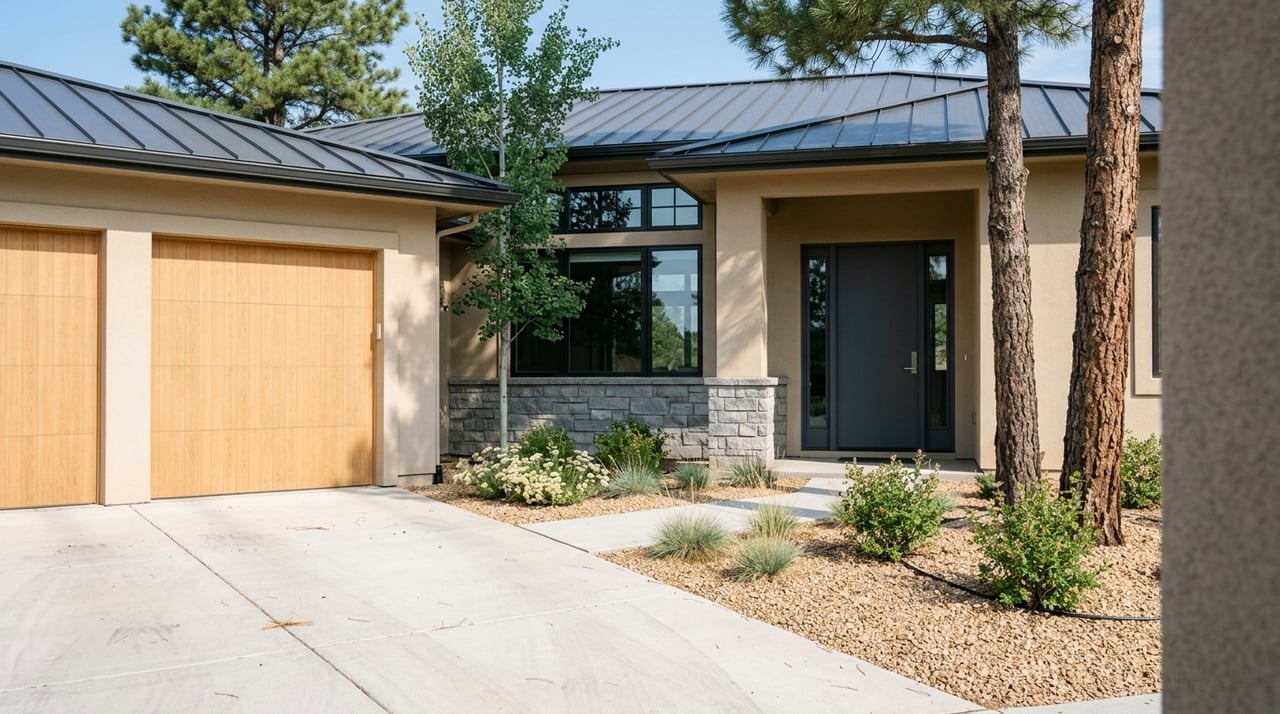
Buying a home in Colorado Springs is exciting, but the closing process can feel very different depending on whether you are buying a new build or a resale. Both paths still end at the title company, where funds are held, final documents are signed, and keys are released after the transfer is verified. What changes is everything that happens before that point. If you want fewer surprises and a smoother finish line, it helps to understand where the timelines, documents, and delays usually come from. Let’s dive in.
How closings work in Colorado Springs
In Colorado, both new-build and resale transactions generally close through a title company. Escrow holds the funds, the closing documents are signed, and the transfer must be verified before you get possession.
That basic structure stays the same in Colorado Springs. The key difference is whether your closing is driven mostly by a completed paper trail or by a completed construction project.
Why resale closings feel more predictable
A resale closing usually follows a more standardized path. Colorado brokers are required to use Commission-approved contracts and forms as appropriate, and the residential contract includes deadlines for title, off-record title, HOA documents, inspections, tax certificates, and closing.
Because of that structure, resale buyers and sellers often have a clearer roadmap from the start. The process is still detailed, but many of the major review points are built directly into the contract timeline.
Contract deadlines shape the process
In a resale, the seller is expected to deliver title materials by the record-title deadline. The contract also addresses off-record matters and a tax certificate that lists any special taxing or metropolitan districts.
If those documents are late or raise concerns, the buyer has defined rights to object and, in some cases, terminate under the contract. That makes resale closings more deadline-driven than construction-driven.
Document review is a major milestone
With a resale home, a lot of the closing work comes down to reviewing documents carefully and on time. That can include the title commitment, HOA materials, tax information, and inspection-related items.
Colorado title guidance says buyers should review matters like easements, covenants, conditions and restrictions, liens, taxes, mortgages, water rights, mineral rights, and other encumbrances. In a resale deal, these reviews are often central to whether the transaction stays on track.
Why new-build closings feel less fixed
A new-build closing in Colorado Springs often depends on more moving parts outside the paperwork. While there may be an expected completion window, the actual closing date is often tied to construction progress, site readiness, and final city approvals.
That means your loan, title, and signing may be ready before the home itself is fully ready to close. In many cases, the house has to catch up to the file.
Construction completion affects timing
Colorado’s subdivision developer rules require certain developers and projects to register and receive approval before selling. In Colorado Springs, a building permit can be withheld until critical utilities are installed, and occupancy is not allowed until a Certificate of Occupancy is issued.
This matters because even a nearly finished home may not be ready to close if final approvals are still pending. A delay may come from utility work, paving, storm-drain completion, or other site-related sign-offs rather than from the buyer’s loan or title review.
Certificate of Occupancy matters
For a new build, one of the most important closing checkpoints is the Certificate of Occupancy. Colorado Springs code says a structure may not be occupied until that certificate is issued.
In practical terms, that means you may be fully packed and financially ready, but you still cannot close and move in until the city signs off. That is one of the biggest real-world differences between a resale and a newly built home.
Title differences between new builds and resales
Title review matters in both types of transactions, but the issues you see can look a little different. A resale title file may focus more on an existing ownership history, prior liens, easements, and property-specific restrictions.
A new-build title file often includes development-related items tied to the larger project. In Colorado Springs and El Paso County, that can include subdivision plats, condominium plats, easements, and district-related taxes.
What to watch for in a resale title file
In a resale, the title commitment and supporting documents usually help you confirm what the seller can convey and whether there are issues that need to be addressed before closing. The contract gives buyers a defined period to review and object.
Common items to review include rights-of-way, recorded easements, covenants, HOA-related matters, liens, and taxes. The tax certificate is also important because it can identify special taxing or metropolitan districts tied to the property.
What to watch for in a new-build title file
With a new build, your title review may include more project-level documents. Plats can show lot boundaries and easements, and newer communities may also involve metro district taxes or similar development-related assessments.
That does not automatically mean there is a problem. It simply means your review may focus more on how the lot fits into the broader subdivision or condo project rather than only on a long resale history.
Standard exceptions can still matter
If you are paying for owner’s extended coverage, the Colorado residential contract identifies several standard exceptions that may still matter in either path. These can include parties in possession, unrecorded easements, survey matters, unrecorded mechanics’ liens, the gap period, unpaid taxes and assessments, and unredeemed tax sales before closing.
Whether you are buying a resale or a new home, it is worth understanding which title exceptions remain and what they mean for your ownership rights after closing.
HOA documents can look different
If the property is part of a common-interest community, HOA review is an important part of the closing process. In a resale transaction, the seller must provide the HOA packet required under the residential contract.
That packet can include declarations, bylaws, rules, meeting minutes, insurance information, assessment lists, financial statements, reserve studies if any, fee lists, and recent construction-defect notices if applicable. Buyers have the right to object or terminate if those documents are late or unsatisfactory under the contract.
Resale HOA files often have more history
In an established resale neighborhood, HOA documents may provide a longer operating history. You may have more past meeting minutes, more developed budgets, and a clearer picture of how the association has been functioning over time.
That deeper paper trail can help you evaluate dues, rules, insurance information, and overall association operations before closing.
New-build HOA files may still be forming
In a newly built community, the HOA may still be early in its development. Because associations must register and maintain filings, the framework may be in place, but the budget history, insurance list, and governance record may be more limited than what you would see in an older community.
For you as a buyer, that means the HOA review may feel less complete simply because the community is newer, not necessarily because something is wrong. It is still important to review the available governing and financial documents carefully.
Warranty paperwork is a bigger factor in new builds
One of the clearest closing differences is what happens after you sign. In a resale, the closing file typically focuses on the property transfer, title, HOA materials if applicable, and any agreed closing terms.
In a new build, you may also receive builder warranty documents or related disclosures that are not usually part of a typical resale closing package. Under Colorado law, a builder’s warranty is distinct from a home-warranty service contract, which is an important difference when you are reviewing your post-closing paperwork.
Attached homes may involve added review
For some newly built condos or townhomes, buyers may also encounter issues connected to construction-defect processes and HOA governance. Colorado’s 2025 HB25-1272 summary notes a program that a builder or developer may choose to use, which includes a warranty and inspection by a neutral third-party inspector in exchange for added protection from certain construction-defect claims.
If you are buying attached new construction, that makes it even more important to read your closing package closely and ask questions about the warranty-related documents you receive.
Which closing path is easier?
Neither option is automatically easier. A resale closing is often more predictable because the deadlines and document delivery requirements are built into a standardized contract framework.
A new-build closing may feel less predictable because construction, utility installation, city approval, and final occupancy steps can affect timing even when the rest of the file is ready. In simple terms, resale closings are usually more document-driven, while new-build closings are often more project-driven.
How to prepare for either closing
The best way to reduce stress is to know what kind of delay or review issue is most likely in your transaction. That lets you set better expectations from the beginning.
Here are a few practical ways to prepare:
- Review title documents promptly when they are delivered
- Pay close attention to special taxing or metropolitan district information
- Read HOA documents carefully, especially in newer communities
- Expect a new-build timeline to shift if construction or city sign-off is still in progress
- Ask early about builder warranty documents if you are buying new construction
- Stay in close contact with your title and escrow team as closing approaches
When you understand the likely pressure points, the process becomes much easier to manage.
If you are getting ready to close on a home and want a clear, steady process, a local title and escrow team can help you make sense of the details before they become last-minute surprises. First Alliance Title offers secure, professional title and escrow support designed to help you close with confidence.
FAQs
What is the main closing difference between a new build and a resale in Colorado Springs?
- A resale closing is usually driven by contract deadlines and document review, while a new-build closing is often driven by construction completion, utility readiness, and Certificate of Occupancy approval.
What title documents matter most in a Colorado Springs resale closing?
- The title commitment, off-record title matters, tax certificate, easements, covenants, liens, and HOA-related documents are all important parts of a resale title review.
Why can a Colorado Springs new-build closing be delayed?
- A new-build closing can be delayed if utilities, paving, storm-drain work, site improvements, or final city approvals are not complete, or if the Certificate of Occupancy has not yet been issued.
What should you review in a Colorado Springs HOA closing packet?
- You should review the declarations, bylaws, rules, meeting minutes, insurance information, assessments, financial documents, reserve studies if any, fee lists, and any applicable construction-defect notices.
Does a new build in Colorado Springs come with different post-closing paperwork than a resale?
- Yes. A new build may include builder warranty documents or related disclosures that are separate from the paperwork you would typically see in a standard resale closing.