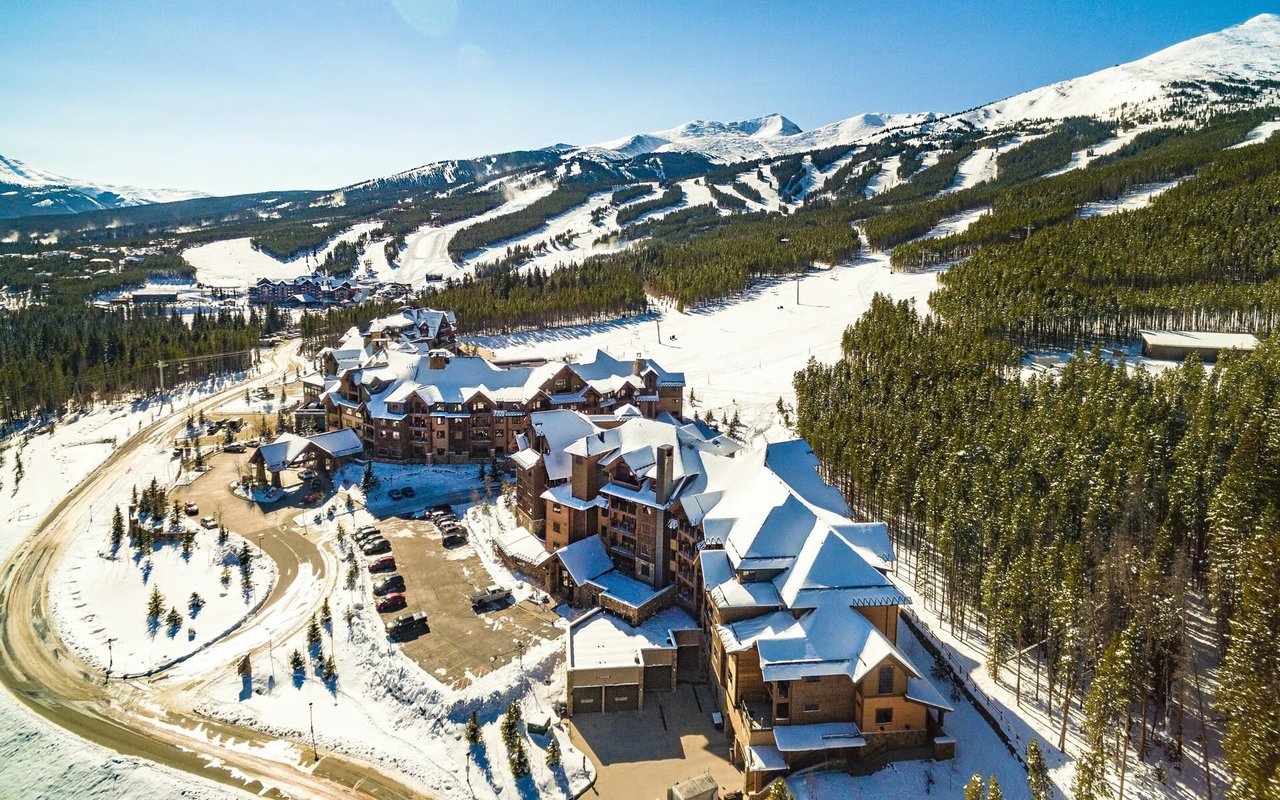
Welcome to Vail, CO
Vail isn't a town that grew up around a mine or a railroad—it's a town that was imagined first and built second. Stretched along a slender seven-mile run of the Gore Creek Valley in Eagle County, Vail is hemmed in on its north and south flanks by the White River National Forest, with the sprawling Vail Ski Resort rising up the southern slopes. Interstate 70 threads right through its center, placing the town about 100 miles west of Denver and roughly 30 miles east of the Eagle County Regional Airport. That geography matters more than it first appears: because national forest land boxes the valley in, there is almost no room left to sprawl, and that scarcity shapes everything from architecture to price.
What gives Vail its unmistakable character is the deliberate European-alpine design that founders Pete Seibert and Earl Eaton—both veterans of the U.S. Army's 10th Mountain Division—modeled after Zermatt, Switzerland after they spotted the ski potential here in the late 1950s. Incorporated in 1966, just four years after the resort opened, Vail traded the silver-rush grit of older Colorado towns for cobblestone pedestrian villages, steep-roofed Tyrolean chalets, and a strict no-vehicle policy in its cores. The result is a place that feels intimate and walkable rather than carved up by traffic. In winter it's a world-class ski destination anchored by its legendary Back Bowls; come summer, the same slopes open into hiking and biking country while the valley fills with the Vail Dance Festival and the Bravo! Vail music series. It is, in short, a curated mountain town—one where a Design Review Board still guards the look and feel that made it famous.
Local Real Estate Market at a Glance
The Vail market behaves the way most ultra-premium resort markets do: it shrugs off the broad economic swings that rattle ordinary housing markets, but it has its own internal rhythm. Lately that rhythm has shifted from frenzied to deliberate. Inventory has climbed off its historic lows, buyers are taking their time, and the market has settled into a more balanced, selective posture.
| Market Metric |
Current Performance |
| Median Sale Price |
$1.9M–$2.25M overall. Attached townhomes and condos run closer to $1.3M–$1.5M; single-family estates routinely top $2.5M. |
| Average Days on Market |
88–94 days, up roughly 19–35 days year-over-year as buyers take longer to evaluate. |
| Inventory |
~100–200 active listings, about a 5.1–5.9 month supply townwide—enough to nudge the market toward a slightly balanced, seller-leaning stance. |
| Year-over-Year Price Trend |
Varies sharply by submarket. Single-family values across Eagle County are up roughly 4.5%–10.7%, with double-digit jumps in ultra-luxury pockets. Blended citywide averages can show slight pullbacks (down ~13% in some tranches) simply because more lower-priced condos are trading. |
The most useful thing to understand here is that "the Vail market" is really several markets wearing one name. A turnkey, well-priced, ski-in/ski-out property in a prime location still moves fast and commands full freight. A condo that needs renovation or carries heavy HOA dues will sit—and tends to close at roughly 95%–96% of its original list price after a longer courtship. Knowing which of those two stories your target property belongs to is most of the battle.
Are you weighing a specific pocket like East Vail or Lionshead, or trying to decide between a condo and a single-family home? That choice changes the numbers above considerably.
Lifestyle & Things to Do
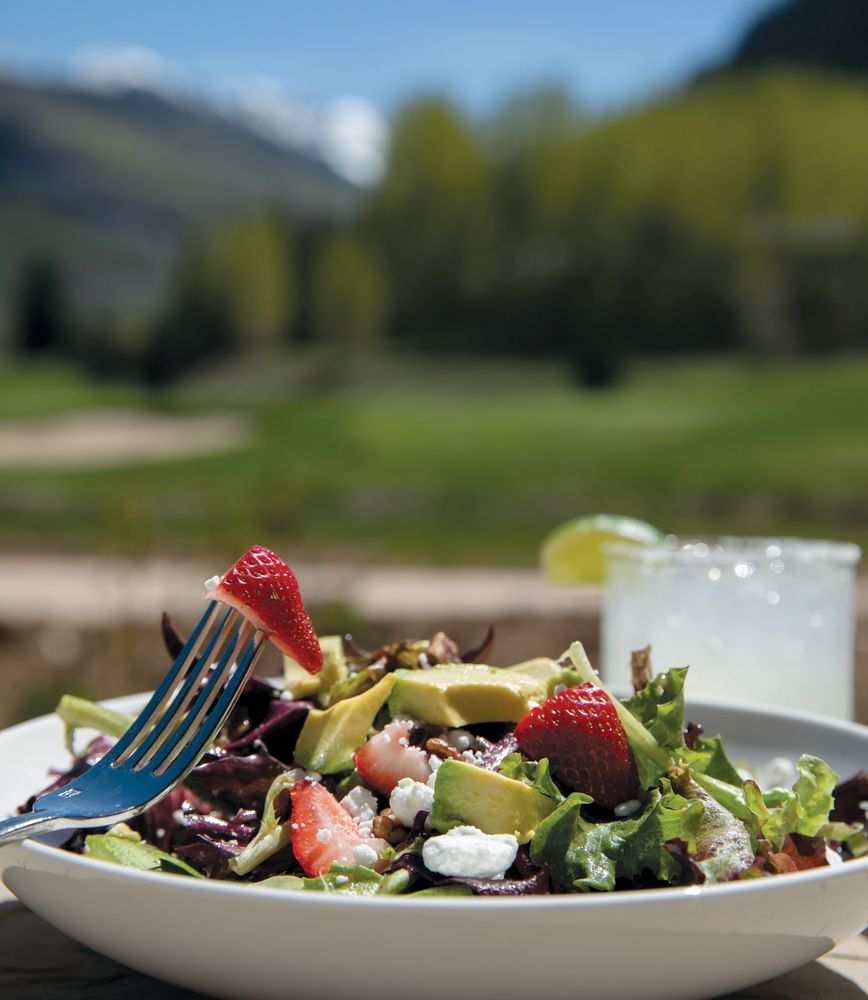
Life in Vail orbits around the outdoors, but the dining and culture hold their own against far larger cities. On the fine-dining end, Sweet Basil has been a creative American institution since 1977, while Matsuhisa brings Nobu's high-end Japanese fusion to the village and Matsumoto handles world-class sushi. For old-world alpine evenings, The Left Bank leans French and Alpenrose serves cozy German and Austrian fare. When the lifts close, après-ski life gravitates to the Red Lion for live music and beers, Vendetta's for pizza, and the Vail Brewing Company in Solaris for local craft pours.
The pedestrian cores of Vail Village and Lionshead are lined with the kind of retail you'd expect from a destination resort—Gorsuch for luxury mountain fashion and home goods, Loro Piana, and Performance Sports among them—plus serious art galleries like Vail Fine Art Gallery and Claggett/Rey.
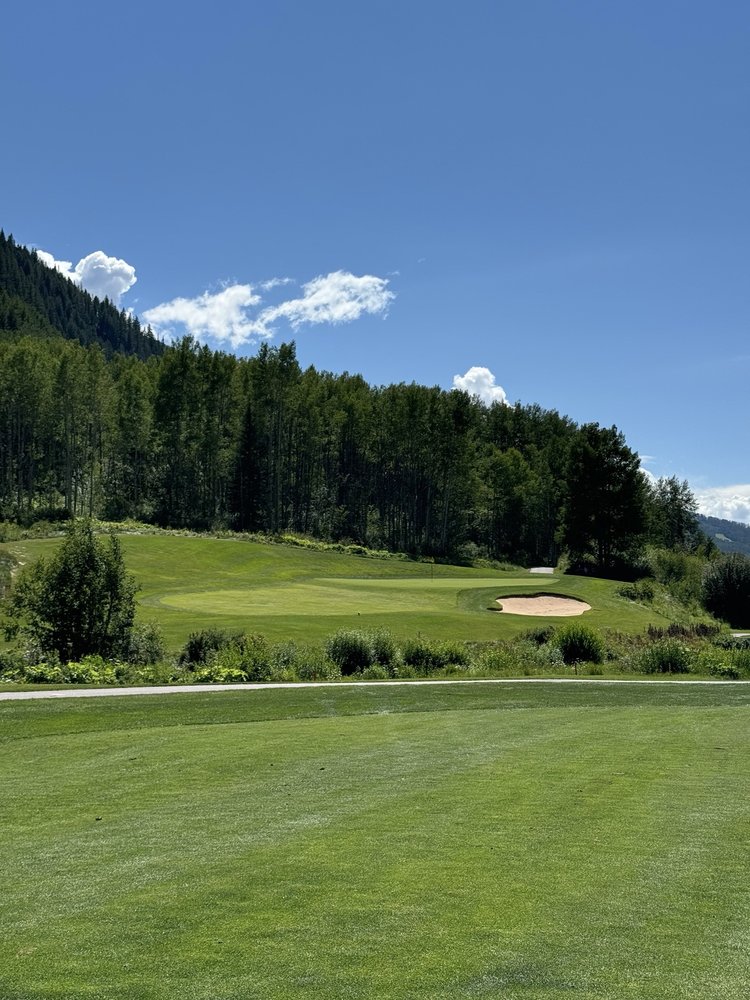
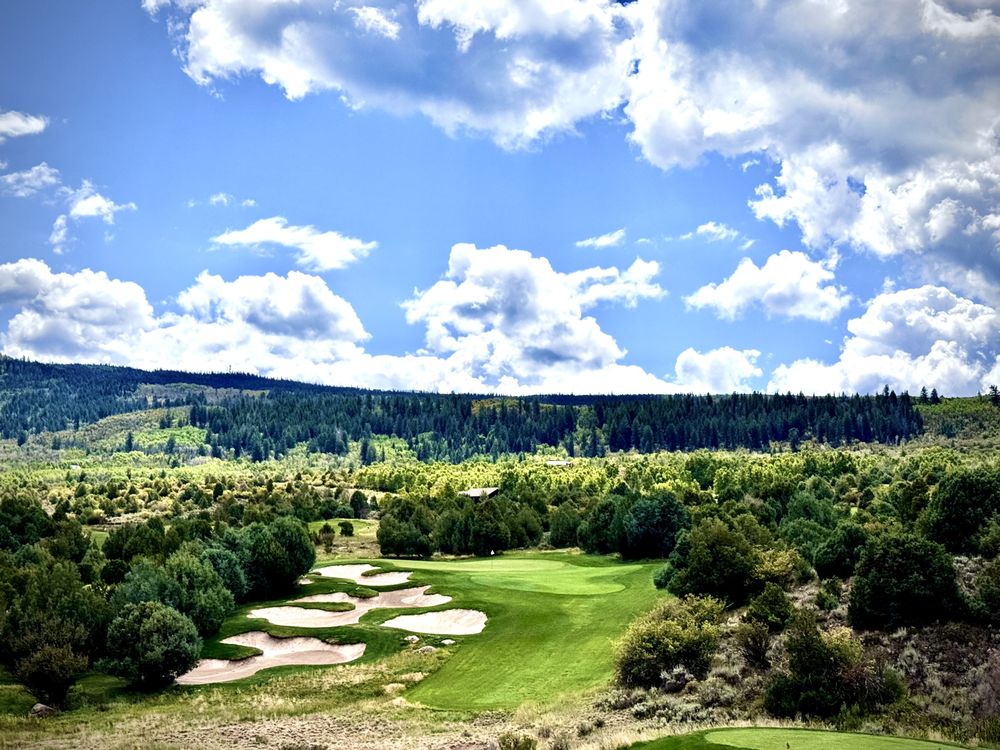
Outdoors is where Vail earns its reputation. The Betty Ford Alpine Gardens, sitting at 8,200 feet, is the highest botanical garden in North America, and the adjacent Ford Park offers playgrounds, sports fields, and tennis. The ski resort itself spans more than 5,300 acres anchored by its seven Back Bowls; in summer those slopes become trails like the demanding Berry Picker, while the Booth Falls Trail in East Vail delivers waterfall and valley views. Culture has a permanent home at the Gerald R. Ford Amphitheater, which hosts the Vail Dance Festival and Bravo! Vail each summer. Year-round, the Vail Nordic Center offers cross-country skiing that gives way to the Vail Golf Club in warmer months, and the John A. Dobson Ice Arena keeps hockey, skating, and ice shows going indoors.
Schools & Education
Families relocating here tend to be pleasantly surprised: education in the valley is well-funded, the student-to-teacher ratios are favorable, and many schools weave the surrounding mountains directly into their curriculum.
Public schools fall under the Eagle County School District (RE-50J). Within Vail proper, Red Sandstone Elementary earns high marks for small classes and tight community involvement. Just down-valley in Eagle-Vail, Homestake Peak School (K–8) runs an expeditionary-learning model. For high school, most Vail students head to Battle Mountain High School in nearby Edwards, which carries a strong academic reputation, competitive athletics, and an AP participation rate above 50%.
On the private and charter side, the standout is Vail Mountain School (K–12) in East Vail—a prestigious independent day school known for rigorous college-prep academics, small classes, and a heavy emphasis on character and outdoor education. Vail Christian High School (9–12) in Edwards offers faith-based college prep with strong placement, and Stone Creek Charter School (K–8) provides a tuition-free, core-knowledge option in the valley. For continuing education, the Colorado Mountain College – Vail Valley Campus in Edwards offers associate and bachelor's programs plus specialized certifications in resort management, culinary arts, and EMS.
If you're shopping by school, it's worth asking specifically about how the local ski academies handle competitive student-athletes—that's a niche this valley does unusually well.
Getting Around: Commute & Accessibility
For a mountain town, Vail is remarkably easy to move through—largely because it pairs a major interstate with one of the most generous free transit systems in the country.
The spine of it all is Interstate 70, which runs straight through the heart of town and connects Vail to Denver in the east and Utah in the west. The stretch over Vail Pass is well maintained but can bog down with weather or weekend ski traffic, so locals learn to time their trips. Just to the west, Highway 24 offers a scenic southern route toward Minturn, Leadville, and ultimately Aspen.
Day to day, most residents lean on Vail Transit, the town's free, high-frequency, year-round bus network—one of the largest free systems in the U.S.—which links East and West Vail directly to the pedestrian portals of Vail Village and Lionshead. For regional trips, ECO Transit connects the town affordably to down-valley hubs like Avon, Edwards, Eagle, and Gypsum.
For travel, the Eagle County Regional Airport (EGE) sits about 35 miles (roughly 35–40 minutes) west in Gypsum and runs seasonal direct commercial flights from hubs like Dallas, Denver, Chicago, and Miami. Denver International (DEN) is about 120 miles east—two to two and a half hours—and is commonly reached via private mountain shuttles like Epic Mountain Express. While Vail itself is a major employer in hospitality, recreation, and luxury retail, plenty of residents make a quick 10–20 minute down-valley commute to commercial centers in Avon and Edwards.
Types of Homes & Architecture
Vail real estate is defined by three forces: premium craftsmanship, strict architectural governance, and the simple fact that there's almost no land left. When national forest hems you in on both sides, the newest "inventory" is usually an older home that's been scraped and rebuilt rather than raw ground.
Broadly, the housing stock breaks into three tiers. Single-family estates typically run from about $4 million to well over $30 million for ultra-luxury ski-in/ski-out properties, and—counterintuitively for the price—lots tend to be compact, usually 0.25 to 0.75 acres, because the valley simply doesn't allow sprawl. Townhomes and duplexes are a hugely popular middle ground, generally $2 million to $6 million, offering multi-level living with shared walls and minimal lot footprint. Condominiums, concentrated in Vail Village, Lionshead, and Cascade Village, range from around $1 million for older entry-level units to $4.5 million and up for modern, amenity-rich residences like the Ritz-Carlton Residences or Solaris.
Architecturally, two styles dominate. The classic is Tyrolean and Swiss chalet alpine—heavy exposed timber, steep snow-shedding roofs, carved detailing, and decorative balconies. The newer wave is mountain modern, which keeps the rustic materials (native fieldstone, reclaimed wood) but pairs them with clean lines, steel framing, and floor-to-ceiling glass. As for age, you'll find original 1970s and 80s condos—many gutted and modernized inside—standing alongside post-2000 luxury redevelopments built where older homes once sat.
The honest question to start with is whether your priority is matching a budget to a property type, or finding a location where you can leave the car parked. In Vail those two goals often pull in different directions.
What to Know Before You Buy Here
Buying in Vail means stepping into a world of mountain-specific land use rules that catch many out-of-state buyers off guard. A few areas deserve real attention before you write an offer.
HOAs carry serious weight here. Because so much of Vail is shared-wall townhomes, luxury condos, and planned unit developments, homeowners associations exercise broad authority—and in the core villages you'll often face two layers at once: your building or subdivision's HOA plus a broader master association like the Vail Village Homeowners Association. Dues reflect the amenities (heated driveways, ski valets, slopeside pools, snow removal) and commonly run anywhere from $500 to $2,500+ per month. When you review HOA documents, read the capital reserve study closely; you want to be sure the association can replace expensive mountain infrastructure—boilers, roofs built to carry heavy snow loads—without hitting owners with a surprise special assessment. Pay equal attention to short-term rental rules, which vary wildly: some buildings welcome nightly rentals and run on-site check-in desks, while other subdivisions ban any rental under 30 days.
Vail's uniform look is enforced, not accidental. The Town's Design Review Board and individual neighborhood CC&Rs regulate exterior paint (natural earth tones), roofing (fire-resistant shakes or copper), landscaping (native alpine species), and even outdoor lighting to protect the dark sky. Many village-core properties also cap on-site vehicles or prohibit parking boats, trailers, and RVs outdoors.
Easements come with the mountains. Two are nearly unique to this kind of terrain. Snow storage easements appear on many plats, giving the town or HOA the right to plow and stack heavy snow onto a portion of your lot—meaning you can't build or permanently landscape there. Ski and pedestrian easements are common on properties bordering the slopes, allowing skiers, hikers, and maintenance equipment like snowcats to cross the edges of the land.
Water and mineral rights work differently in Colorado. Under the state's "prior appropriation" doctrine, water rights are separate from land ownership. Most Vail properties tie into municipal water through the Eagle River Water & Sanitation District, but if you're buying a single-family home on a private well—more likely in parts of West or East Vail—you'll need to confirm the well is permitted for domestic use and backed by an augmentation plan that legally replaces the water you pump. On the subsurface side, it's extremely common for mineral rights to have been severed and sold off generations ago. A title search will surface any such third-party ownership, though Vail's steep terrain and strict zoning make actual extraction wildly improbable.
Closing Costs & Estimated Numbers
One line item surprises nearly every buyer who hasn't bought inside Vail before: the local transfer tax. The Town of Vail imposes a 1% Real Estate Transfer Tax (RETT) on virtually all property transfers within town limits—the revenue funds the free bus system, open space, and environmental work. By local custom the buyer typically pays it, though that's negotiable in the contract. Worth knowing: a handful of pockets within the 81657 zip code sit technically outside town boundaries and skip this 1% entirely, which is exactly the kind of detail your agent should verify before you sign.
Beyond the RETT, the customs here are fairly standard for Eagle County. The owner's title insurance premium is negotiable but, by local custom, usually paid by the seller, while the buyer covers any lender-required policy. Escrow and closing fees typically run $400–$800 per side, and premiums scale with the purchase price.
Here's how a hypothetical $2,500,000 single-family home or luxury condo inside Vail town limits might pencil out, assuming a conventional loan:
| Estimated Item |
Buyer Cost |
Seller Cost |
| Purchase Price |
$2,500,000 |
— |
| Brokerage Commission (est. 5% total) |
— |
$125,000 |
| Town of Vail Transfer Tax (1% RETT) |
$25,000 |
— |
| Owner's Title Insurance Policy (est.) |
— |
$6,500 |
| Lender's Title Policy & Endorsements |
$750 |
— |
| Closing / Escrow Fee |
$350 |
$350 |
| Recording Fees & Document Tax |
$150 |
$50 |
| HOA Transfer / Working Capital Fee (est.) |
$1,000 |
— |
| Property Tax Proration (paid in arrears) |
— |
Prorated to day of sale |
| Estimated Out-of-Pocket Totals |
+$27,250 (plus down payment) |
−$131,900 (from proceeds) |
Treat these as illustrative; the single biggest swing factor is whether the property falls inside or outside town limits.
Common Title Considerations in This Area
Title work in the Gore Creek Valley turns up a recurring cast of mountain-specific issues, and recognizing them early keeps a closing on schedule.
The first is complex easement networks. Because parcels here are tightly interlocked, title searches regularly uncover easements—some old, some unrecorded—that affect what you can build and where others may travel. Properties backing the mountain or transit paths often carry access easements for Vail Resorts or the town to move equipment, groom trails, or run utilities, and plat maps frequently include snow storage and drainage easements that can limit fencing or driveway changes.
The second is subsurface mineral severance. As elsewhere in Colorado, it's common to discover that the mineral rights beneath a Vail property were split off and sold a century ago. Mining in the middle of a luxury resort is essentially never going to happen, but a clean title policy still has to accurately except those severed interests so a future third-party claim can't reach you.
Third, and often overlooked, are HOA super-liens. Colorado grants homeowners associations super-priority status, meaning that if a prior owner defaulted on dues, the HOA's lien can leapfrog even the first mortgage for up to six months of common assessments. Your closing team should secure an explicit HOA Status Letter before settlement confirming all dues, assessments, and transfer fees are paid current.
Finally, expect encroachment and retaining-wall questions. Building on steep grades means retaining walls, terraced landscaping, and shared-wall duplex configurations, and over the decades these structures tend to drift past legal boundaries. Title underwriters often require an Improvement Location Certificate or full survey to clear boundary exceptions and confirm a neighbor's deck or wall isn't quietly sitting on your parcel.
Local Resources & Contacts
A smooth purchase here means knowing which mountain-specific offices and utility districts to call.
For public records, deeds, and plat maps, the Eagle County Clerk & Recorder is at 500 Broadway, Suite 101, Eagle, CO 81631, reachable at (970) 328-8723 or [email protected]. For building compliance, zoning, and architectural codes, Town of Vail Community Development and its Design Review Board can be reached at (970) 479-2130.
Utilities run through specialized mountain providers rather than big metro companies:
| Service |
Provider |
Phone |
Notes |
| Water & Sewer |
Eagle River Water & Sanitation District |
(970) 476-7480 |
Serves East Vail down through Wolcott |
| Electricity |
Holy Cross Energy |
(970) 949-5892 |
Member-owned cooperative |
| Natural Gas |
Black Hills Energy |
(888) 890-5554 |
Primary gas provider |
| Trash & Recycling |
Vail Honeywagon |
(970) 476-3511 |
Wildlife/bear-proof bins |
Talk to a Vail Real Estate Expert
Vail rewards buyers and sellers who understand its quirks—the tax-district lines, the snow-storage easements, the difference between a building that allows nightly rentals and one that doesn't. That local fluency is exactly what the team at First Alliance Title brings to the closing table. When you're ready to order a title commitment, clear property restrictions, or coordinate the final signing, their closing team handles transactions across the region and can arrange full-service mobile closings right in the Vail Valley—so you never have to drive over the pass just to sign your name. Reach the central office at (303) 565-2320 or the main office at 200 Columbine Street, Suite 550, Denver, CO 80206. You can connect directly with Maggie Bateman (President) at (303) 558-5747 or Vince Malara (Sales Manager) at (303) 549-2514, or send your order details to [email protected]. Whether you're buying your first mountain condo or selling a slopeside estate, consider this an open invitation to ask questions early—the best Vail transactions are the ones that start with good information.